A scene from The Canterbury Psalter (12th century)
Blog
Heaven to Earth: Christmas Concert Images

My church’s annual Christmas concert borrows the “festival of lessons and carols” structure from King’s College Cambridge, alternating traditional seasonal Scripture readings with musical pieces. This year the organizer (the great and accomplished Walt Harrah) asked me to supply a few piece of historic art to accompany the readings. This year’s concert includes a running theme of the movement from “heaven to earth,” developed partly by a lively exchange between a heavenly harp and an earthly banjo. So whenever possible I picked art with as much of an above-and-below structure as possible, and I also tried to modulate the colors to match that. Finally, I went out of my way to include medieval images. I know the post-Renaissance stuff is undeniably powerful and popular, but medieval art tends to be less distracted in its relation to the texts, and has its own charm. (Images are linked to their sources when possible; just click through the pic.)
First Lesson: God announces in the Garden of Eden that the seed of the woman will bruise the serpent’s head.
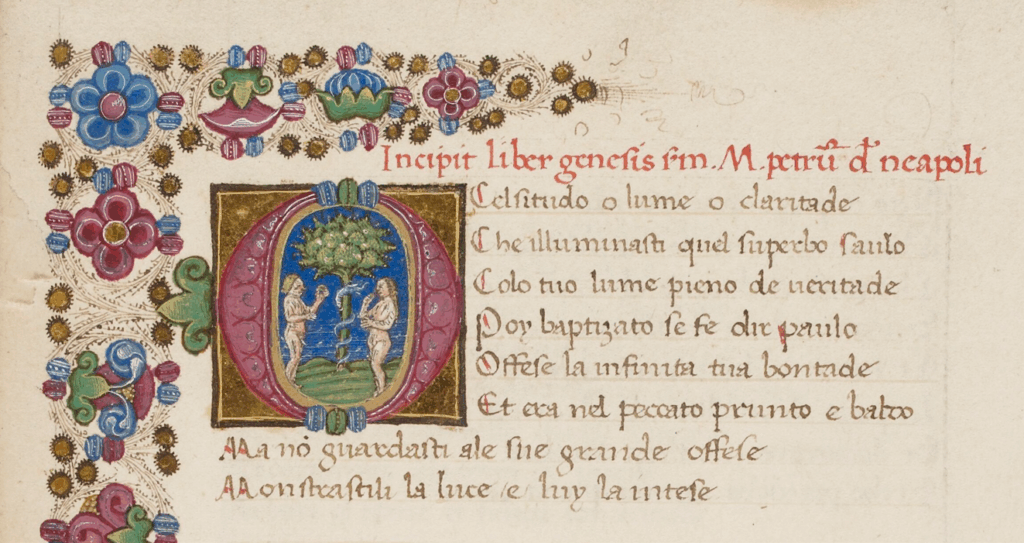
Then the man and his wife heard the sound of the Lord God as he was walking in the garden in the cool of the day, and they hid from the Lord God among the trees of the garden. But the Lord God called to the man, “Where are you?” Adam answered, “I heard you in the garden, and I was afraid because I was naked, so I hid.”
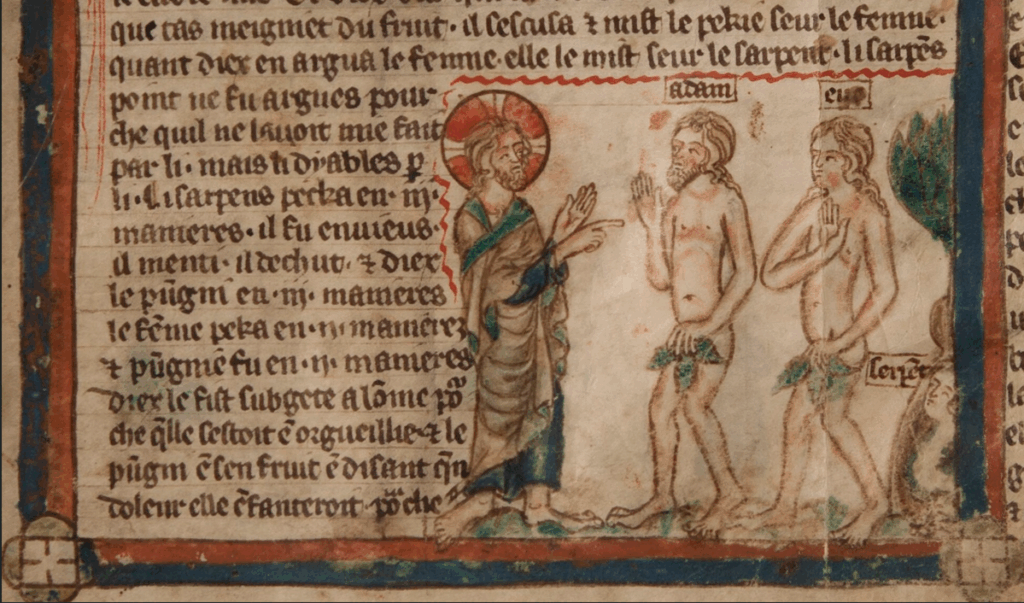
And God said, “Who told you that you were naked? Have you eaten from the tree that I told you not to eat from?” The man said, “The woman you put here with me – she gave me some fruit from the tree, and I ate it.” The Lord God said to the woman, “What is this you have done?” The woman said, “The serpent deceived me, and I ate.”
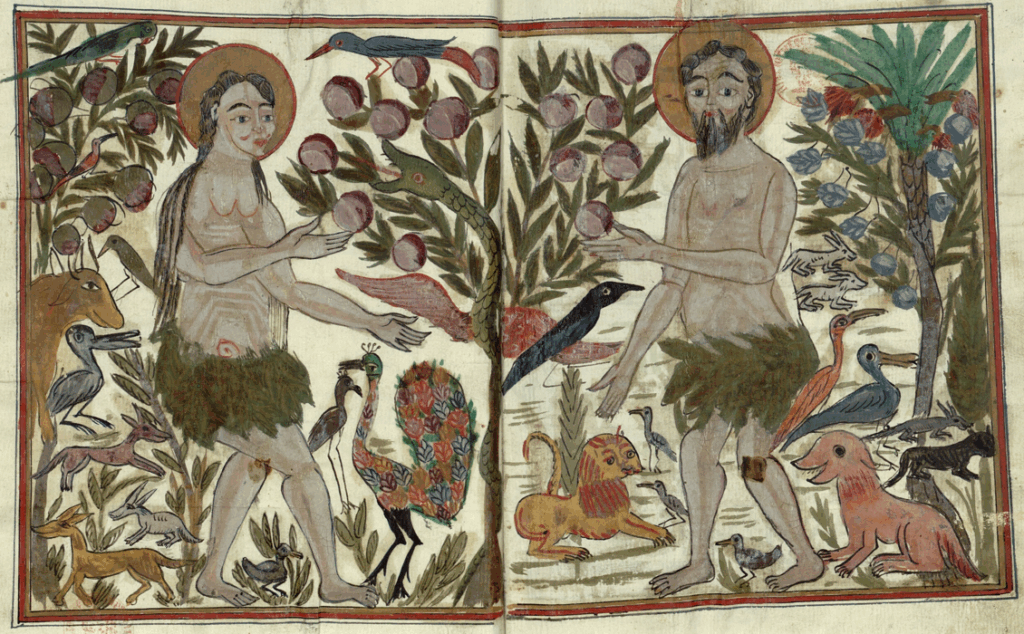
So the Lord God said to the serpent, “Because you have done this, cursed are you above all the livestock and all the wild animals! You will crawl on your belly, and you will eat dust all the days of your life. And I will put enmity between you and the woman and between your offspring and hers; HE will crush your head, and you will strike his heel.”
Second Lesson: Isaiah announces that Israel is about to see God fulfill His promise.
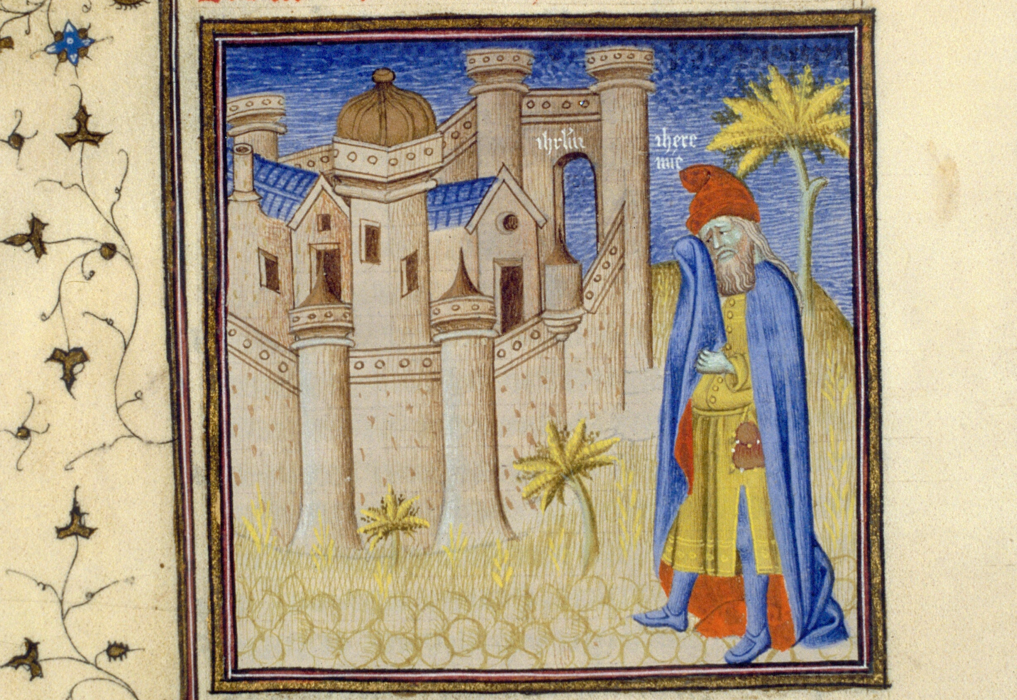
“Comfort, comfort my people,” says your God. “Speak tenderly to Jerusalem, and proclaim to her that her hard service has been completed, that her sin has been paid for, that she has received from the Lord’s hand double for all her sins.” A voice of one calling,
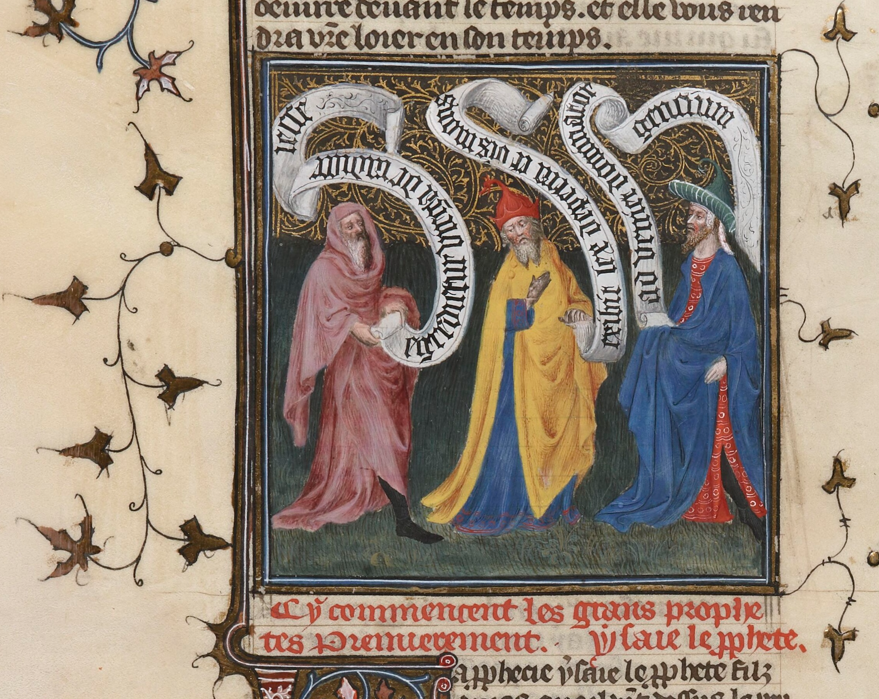
“In the desert, prepare the way for the Lord; make straight in the wilderness a highway for our God. Every valley shall be raised up, every mountain, every hill made low; the rough ground shall become level, the rugged places a plain. And the glory of the Lord will be revealed, and all mankind together will see it. For the mouth of the Lord has spoken.”
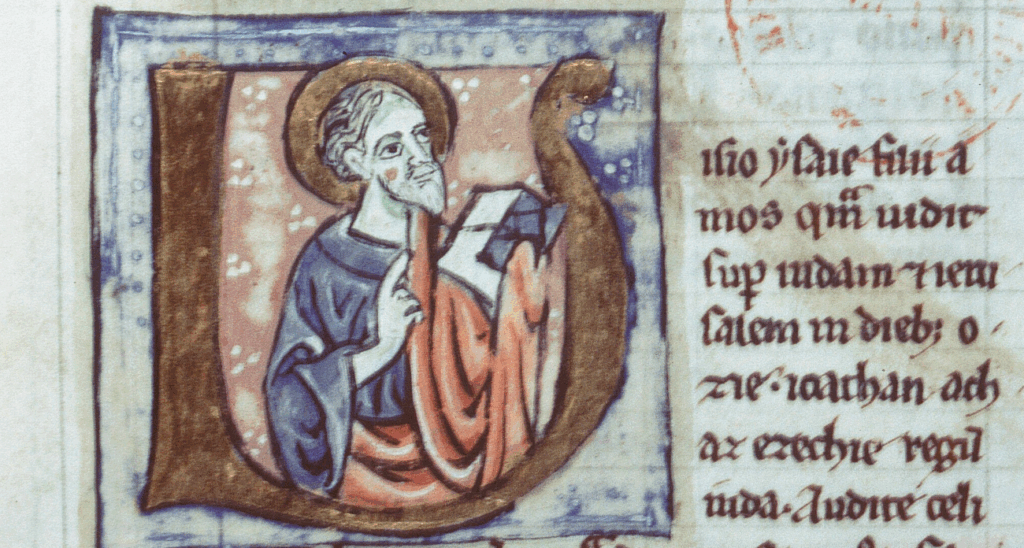
You who bring good tidings to Zion, go up on a high mountain. You who bring good tidings to Jerusalem, lift up your voice with a shout. Lift it up, do not be afraid! Say to the towns of Judah, “Here is your God!” Then will the eyes of the blind be opened and the ears of the deaf unstopped. Then will the lame leap like a deer, and the mute tongue shout for joy.
Third Lesson: Christ’s birth and kingdom are foretold by Isaiah.
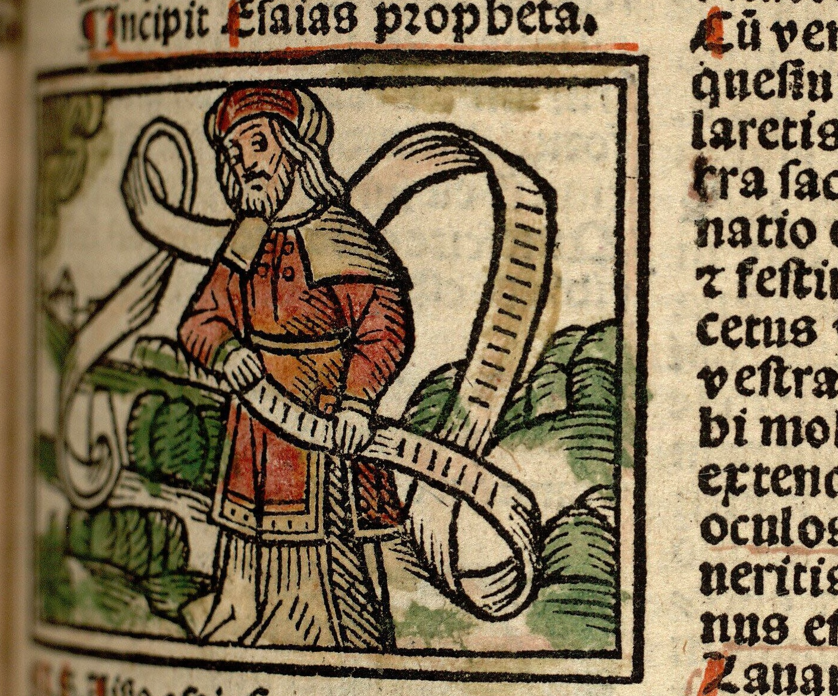
Nevertheless, there will be no more gloom for those who were in distress. In the past he humbled the land of Zebulun and the land of Naphtali, but in the future he will honor Galilee of the nations, by the Way of the Sea, beyond the Jordan—
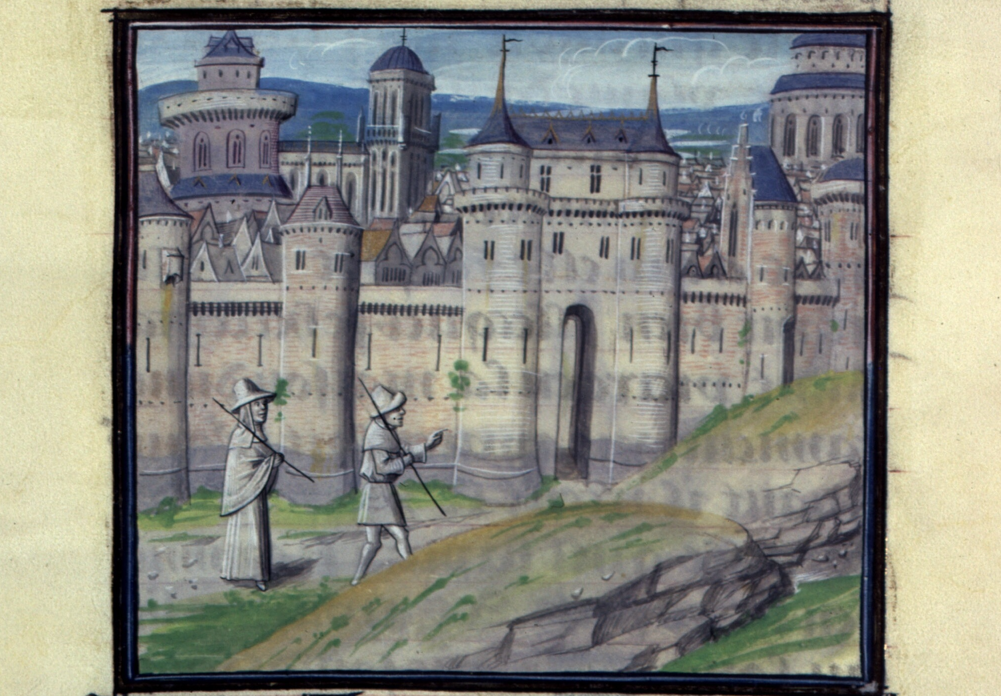
The people walking in darkness have seen a great light; on those living in the land of deep darkness a light has dawned. You have enlarged the nation and increased their joy; they rejoice before you as people rejoice at the harvest, as warriors rejoice when dividing the plunder. For as in the day of Midian’s defeat, you have shattered the yoke that burdens them, the bar across their shoulders, the rod of their oppressor. Every warrior’s boot used in battle and every garment rolled in blood will be destined for burning, will be fuel for the fire.
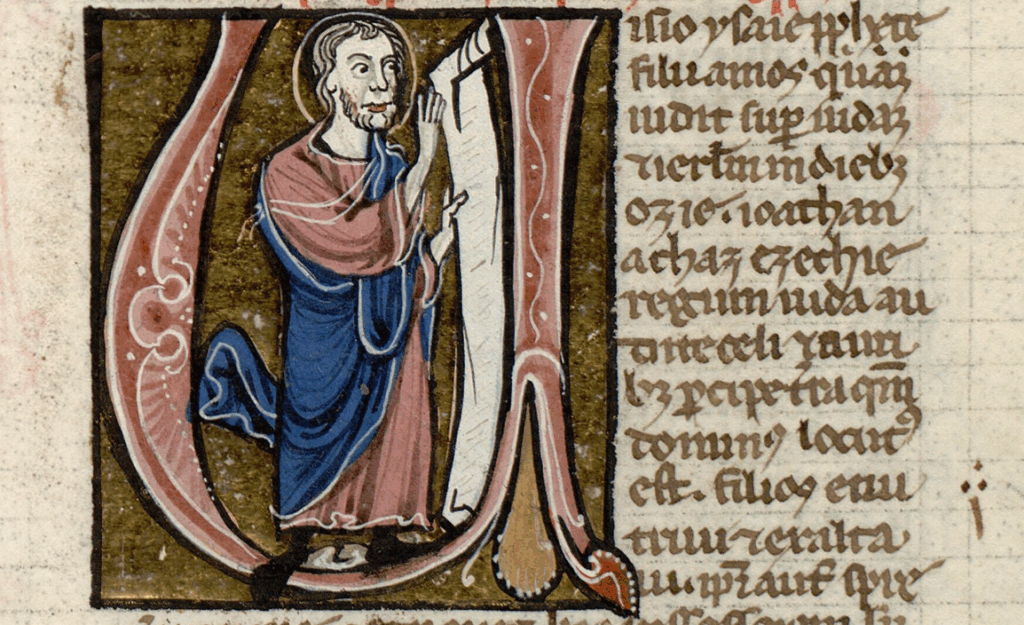
For to us a child is born, to us a son is given, and the government will be on his shoulders. And he will be called Wonderful Counselor, Mighty God, Everlasting Father, Prince of Peace. Of the greatness of his government and peace there will be no end. He will reign on David’s throne and over his kingdom, establishing and upholding it with justice and righteousness from that time on and forever. The zeal of the Lord Almighty will accomplish this.
Fourth Lesson: The angel Gabriel salutes the blessed Virgin Mary.
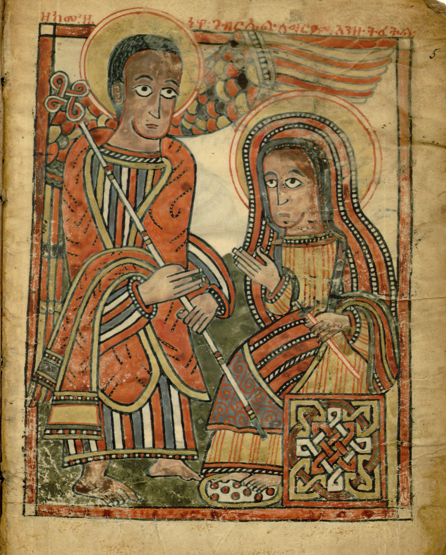
In the sixth month of Elizabeth’s pregnancy, God sent the angel Gabriel to Nazareth, a town in Galilee, to a virgin pledged to be married to a man named Joseph, a descendant of David. The virgin’s name was Mary. The angel went to her and said, “Greetings, you who are highly favored! The Lord is with you.”
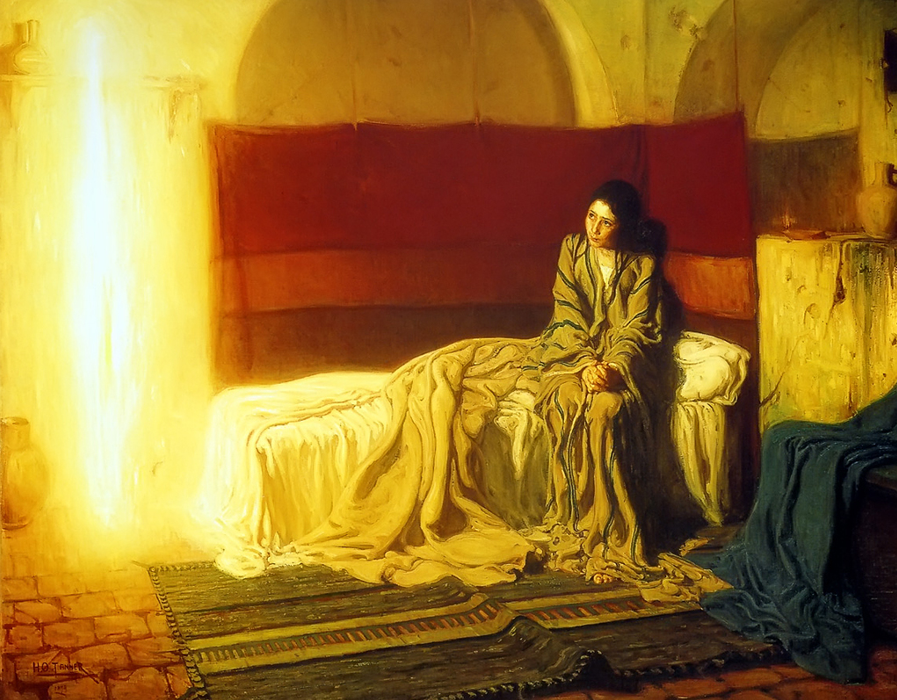
Mary was greatly troubled at his words and wondered what kind of greeting this might be. But the angel said to her, “Do not be afraid, Mary, you have found favor with God. You will be with child and give birth to a son, and you are to give him the name Jesus.
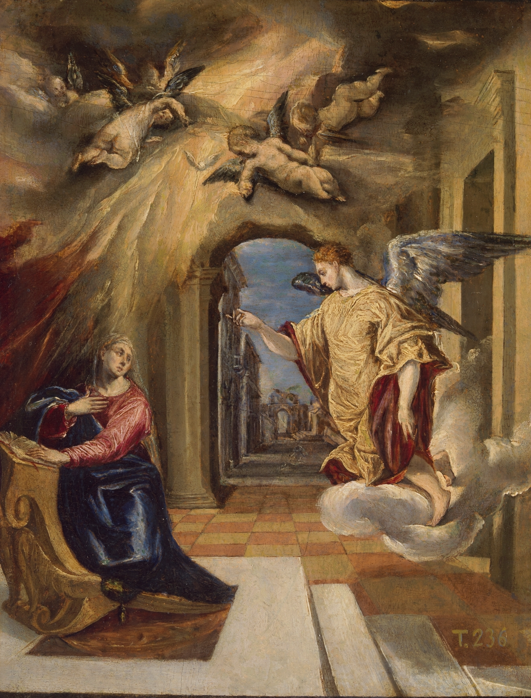
He will be great, and will be called the Son of the Most High. The Lord God will give him the throne of his father David, and he will reign over the house of Jacob forever; his kingdom will never end.” “How will this be, Mary asked the angel, “since I am a virgin?”
.jpg)
The angel answered, “The Holy Spirit will come upon you, and the power of the most high will overshadow you. So the Holy One to be born will be called the Son of God. Even Elizabeth your relative is going to have a child in her old age, and she who was said to be barren is in her sixth month. For nothing is impossible with God.” “I am the Lord’s servant, Mary answered. “May it be to me as you have said.” Then the angel left her.
Fifth Lesson: The angel Gabriel appears to Joseph.

Click here for the entire book, the Toros Roslin Gospels.
This is how the birth of Jesus Christ came about: His mother Mary was pledged to be married to Joseph, but before they came together, she was found to be with child through the Holy Spirit. Because Joseph her husband was a righteous man and did not want to expose her to public disgrace, he had in mind to divorce her quietly.
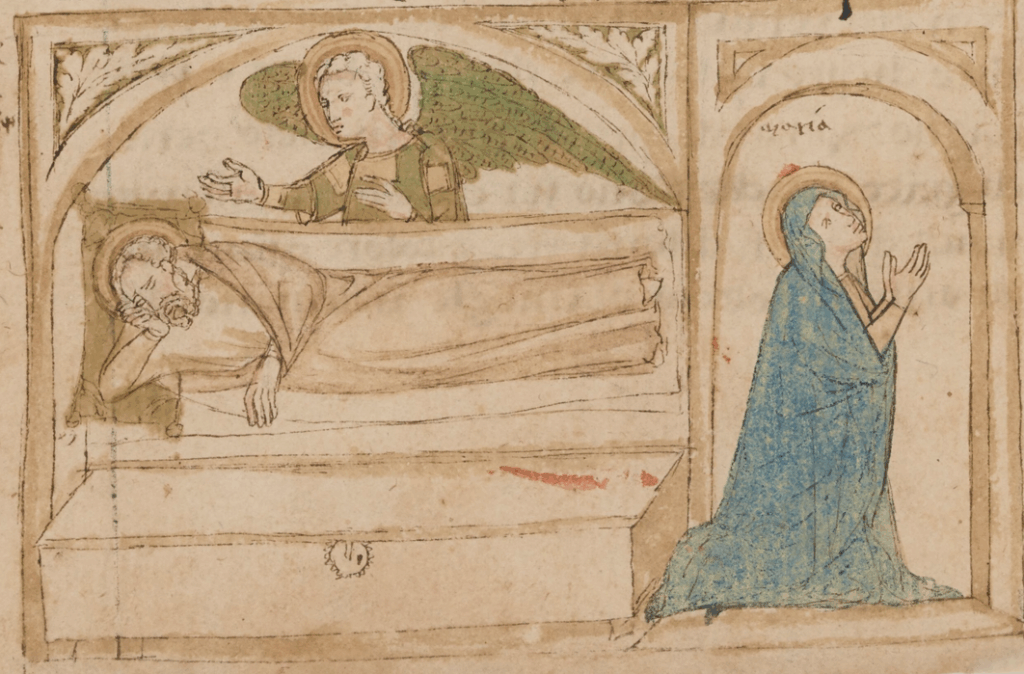
But after he had considered this, an angel of the Lord appeared to him in a dream and said, “Joseph, son of David, do not be afraid to take Mary home as your wife, because what is conceived in her is from the Holy Spirit. She will give birth to a son, and you are to give him the name Jesus, because he will save his people from their sins.”

All this took place to fulfill what the lord had said through the prophet: “The virgin will be with child and will give birth to a son, and they will call him Emmanuel – which means ‘God with us.’ When Joseph woke up, he did what the angel of the lord commanded him and took Mary home as his wife. But he had no union with her until she gave birth to a son. And he gave him the name Jesus.
Sixth Lesson: Luke tells of the birth of Jesus.
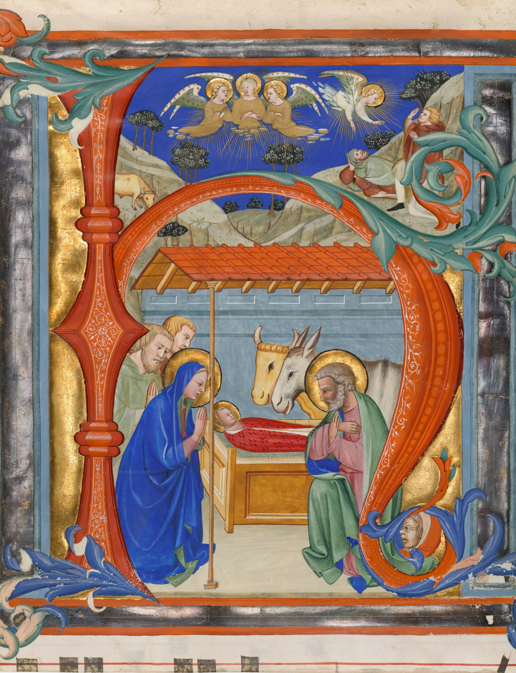
In those days Caesar Augustus issued a decree that a census should be taken of the entire Roman world. This was the first census that took place while Quirinius was governor of Syria. And everyone went to his own town to register.
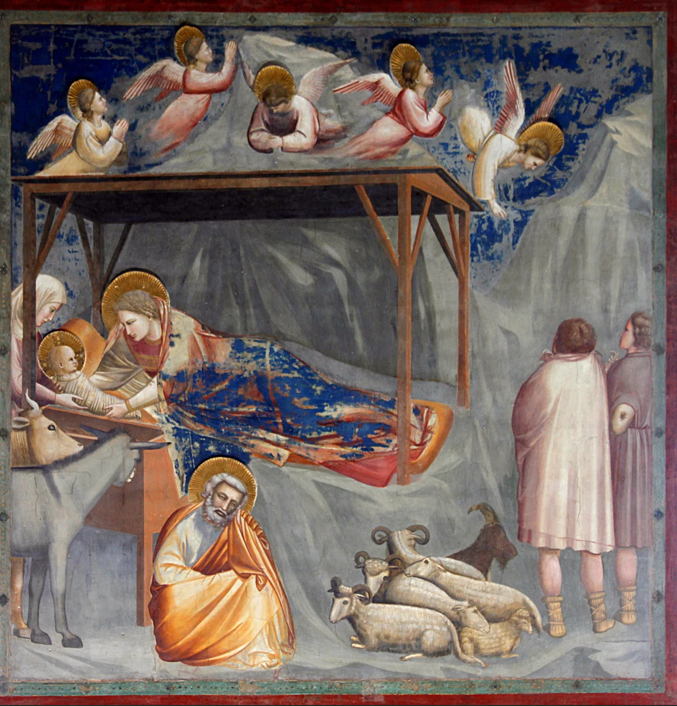
So Joseph also went up from the town of Nazareth in Galilee to Judea, to Bethlehem the town of David, because he belonged to the house and line of David. He went there to register with Mary, who was pledged to be married to him and was expecting a child.
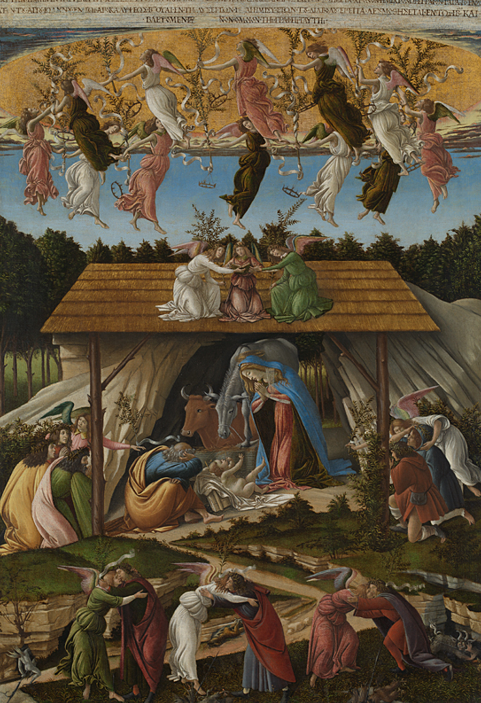
While they were there, the time came for the child to be born, and she gave birth to her firstborn, a son. She wrapped him in cloths and placed him in a manger, because there was no room for them in the inn.
Seventh Lesson: The shepherds go to the manger.
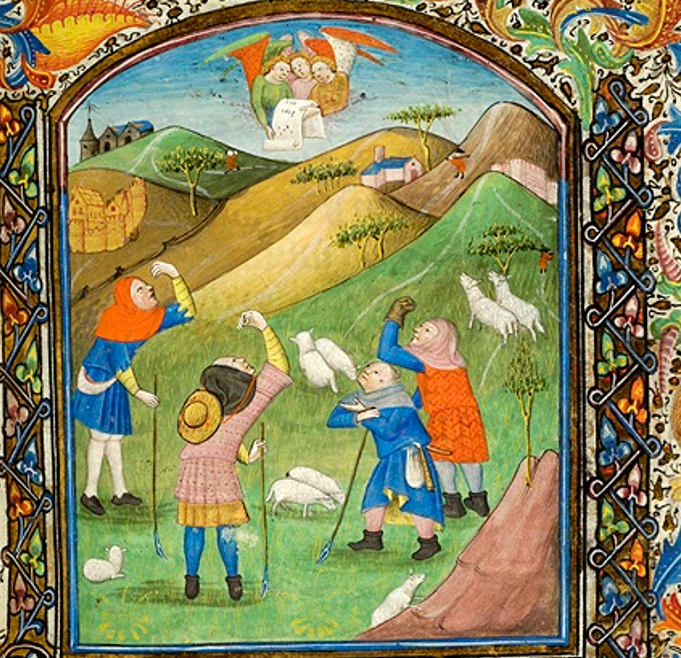
And there were shepherds living out in the fields nearby, keeping watch over their flocks at night. An angel of the Lord appeared to them, and the glory of the Lord shone around them, and they were terrified. But the angel said to them, “Do not be afraid. I bring you good news of great joy that will be for all the people. Today in the town of David a Savior has been born to you; he is Christ the Lord. This will be a sign to you: You will find a baby wrapped in cloths and lying in a manger. ”Suddenly a great company of the heavenly host appeared with the angel, praising God and saying, “GLORY TO GOD IN THE HIGHEST, AND ON EARTH PEACE TO MEN ON WHOM HIS FAVOR RESTS.”

When the angels had left them and gone into heaven, the shepherds said to one another, “Let’s go to Bethlehem and see this thing that has happened, which the lord has told us about.”

So they hurried off and found Mary and Joseph, and the baby, who was lying in the manger. When they had seen him, they spread the word concerning what had been told them about this child, and all who heard it were amazed at what the shepherds said to them.
[Alert readers will notice the story of the Magi, Matthew 2, is omitted this year. As a result, we proceed directly to John 1, which instead of being the Ninth Lesson, is Eighth.]
Eighth Lesson: John unfolds the great mystery of the Incarnation.
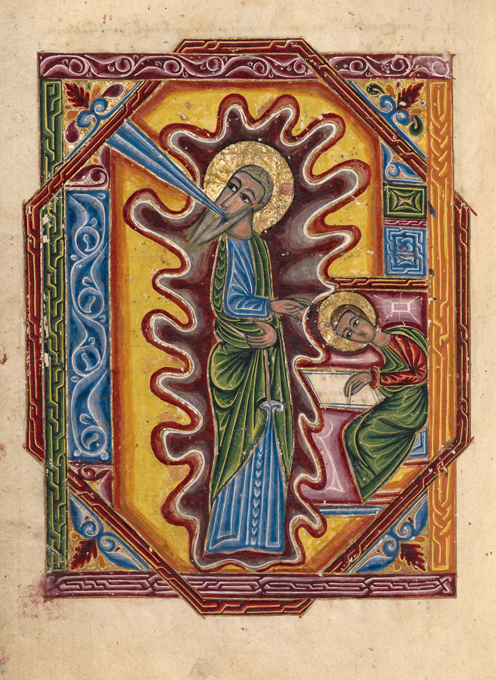
In the beginning was the Word, and the Word was with God, and the Word was God. He was with God in the beginning. Through him all things were made; without him nothing was made that has been made. In him was life, and that life was the light of men. The light shines in the darkness, but the darkness has not understood it.
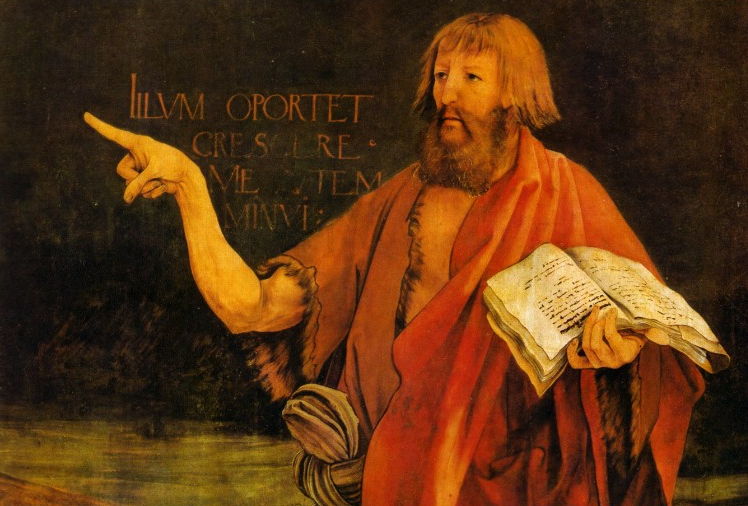
There came a man who was sent from God; his name was John. He came as a witness to testify concerning that light, so that through him all men might believe. He himself was not the light; he came only as a witness to the light. The true light that gives light to every man was coming into the world.

He was in the world, and though the world was made through him, the world did not recognize him. He came to that which was his own, but his own did not receive him . Yet to all who received him, to those who believed in his name, he gave the right to become children of God – children born not of natural descent, nor of human decision or a husband’s will, but born of God. The Word became flesh and made his dwelling among us. We have seen his glory, the glory of the One and Only, who came from the Father, full of grace and truth.
About This Blog

Fred Sanders is a theologian who tried to specialize in the doctrine of the Trinity, but found that everything in Christian life and thought is connected to the triune God.